
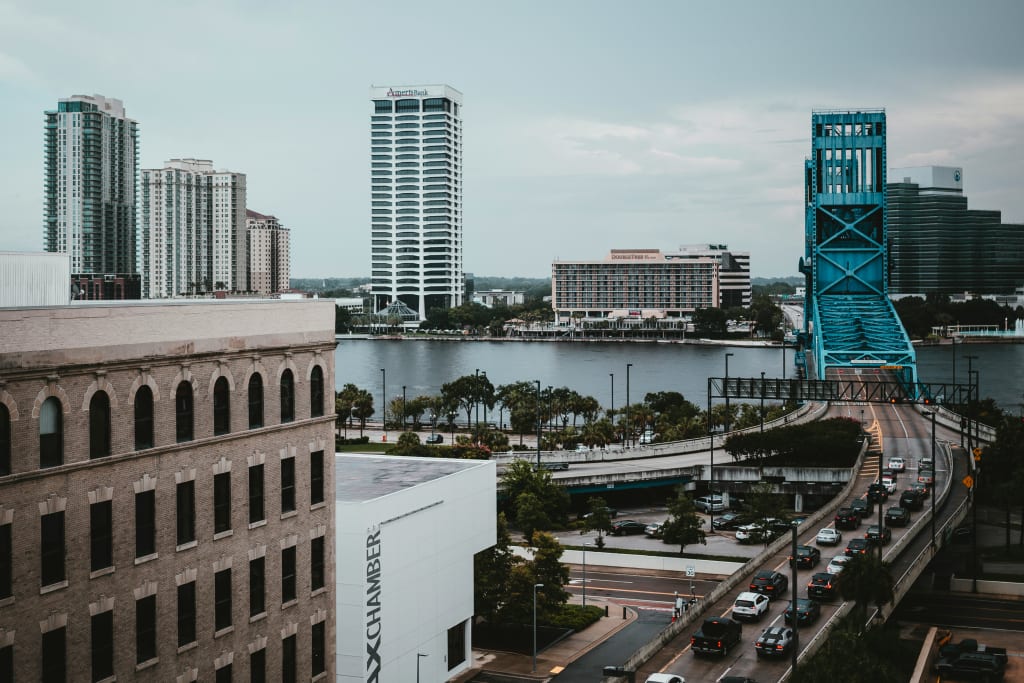
Jacksonville Real Estate for Investors: 6 Ways to Vet a Deal Beyond the Zestimate
Online estimates are a quick pulse check, but they're not a substitute for underwriting—especially in a fast-moving, neighborhood-by-neighborhood market like Jacksonville. A Zestimate (or any automated valuation) can miss street-level factors, recent renovations, insurance realities, and the true cost of getting a property rent-ready. If you're investing for cash flow, appreciation, or a mix of both, your edge comes from diligence: knowing what to verify, how to verify it, and when to walk away.
Below are six practical ways Jacksonville investors can vet a deal beyond the headline number. Think of these as "reality checks" that help you avoid the two most common mistakes: overpaying based on optimism, or underestimating the time and money required to stabilize a property.
1) Validate the neighborhood at the block level (not the ZIP code)

Automated valuations average out what's happening nearby, but Jacksonville can change dramatically within a few streets. Before you trust any estimate, look at hyperlocal drivers: proximity to major corridors, traffic noise, lot positioning (corner vs interior), and even drainage patterns after heavy rain. A home two blocks closer to a busy road can rent fine but may sell slower, and that matters if your strategy includes refinancing or exiting within a few years.
Practical move: pull comps that truly mirror the property (same side of the road when applicable, similar lot size, similar build era) and then drive the area at two different times—weekday evening and weekend morning. You're checking for parking constraints, pride of ownership, and whether the street "feels" stable. Those signals rarely show up in an algorithm.
Investor mindset: you're not buying a ZIP code; you're buying a micro-market with its own risk profile.
2) Underwrite rent using "competing rentals," not just listings
Rent estimates can be as misleading as value estimates because they often use advertised asking rents, not executed leases. In Jacksonville, seasonality and property condition influence leasing speed more than most investors expect. A freshly updated 3/2 can command a premium and lease quickly, while a similar-size home with dated finishes may sit and require concessions—even if the estimated rent looks the same online.
Practical move: build a rental comp set that includes homes currently leased (when available), not just active listings. Then compare: days on market, concessions, pet policies, yard size, parking, and whether utilities are included. Finally, sanity-check your rent number against your "make-ready" plan: if you're not upgrading kitchens, flooring, or exterior curb appeal, don't underwrite top-of-market rent.
- Best-case rent: what you might get after upgrades and perfect timing.
- Base-case rent: what you can reliably achieve with your actual scope.
- Stress-case rent: what happens if you need to reduce rent to lease within 30 days.
3) Replace "renovation guesses" with a line-item scope and contractor reality
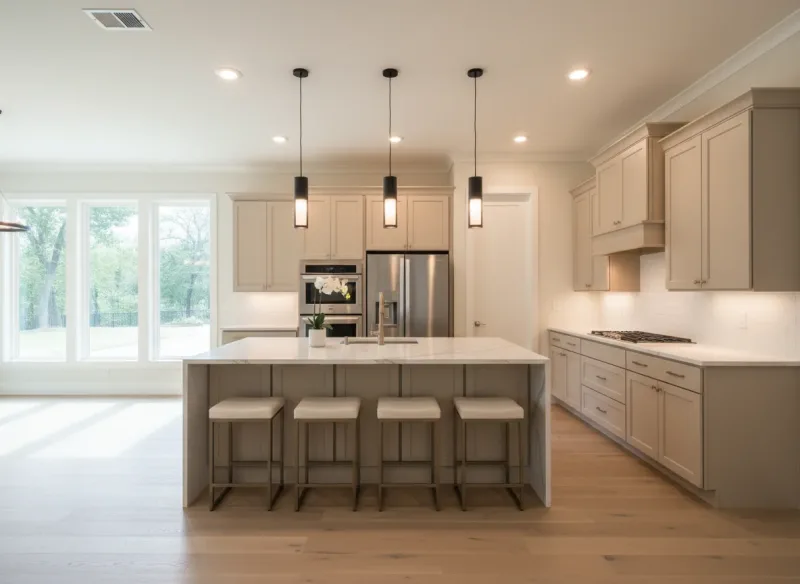
One of the fastest ways a "deal" becomes a drain is when renovation budgets are built on round numbers. Jacksonville investors should assume that material availability, scheduling, and inspection requirements can shift timelines—especially if you're addressing systems like HVAC, electrical panels, roofing, or plumbing supply lines. Automated estimates don't care if a home needs a full repipe; your budget absolutely will.
Practical move: create a scope that separates cosmetic (paint, flooring, fixtures) from systems (roof, HVAC, electrical, plumbing, windows). Ask for ballpark numbers from a contractor early, then add contingency based on property age and access issues. And don't forget holding costs: utilities, lawn care, insurance, and interest while the home is offline.
Quick underwriting checkpoint: if the numbers only work when everything goes perfectly, the deal is telling you it's too thin.
4) Factor Florida-specific expenses: insurance, wind, flood, and maintenance
Jacksonville is attractive for investors because it offers diverse housing stock, employment anchors, and a large renter pool—but Florida ownership costs can surprise out-of-state buyers. Insurance premiums, roof age requirements, wind mitigation features, and flood-zone considerations can materially change your monthly payment and your cash-on-cash return. A Zestimate won't warn you that a roof nearing end-of-life could impact insurability or raise premiums at renewal.
Practical move: request insurance quotes during the due diligence window, not after closing. Confirm roof age and documentation, ask about wind mitigation credits, and review flood maps even if you don't expect to carry flood insurance. Then set a maintenance reserve that reflects the climate: HVAC wear, exterior paint, landscaping growth, and moisture-related repairs can be more frequent than in cooler regions.
- Conservative reserve approach: include a monthly maintenance line plus a separate "capex" bucket for roofs/HVAC.
- Reality check: if insurance comes in higher than expected, redo the deal math immediately.
5) Verify exit strategies with real comps and buyer behavior
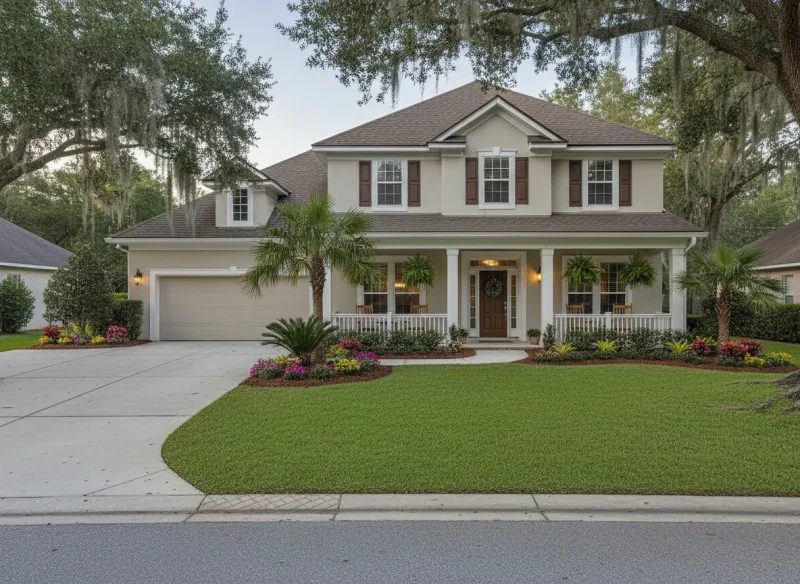
Even if your plan is buy-and-hold, you should know your exits: sell to an owner-occupant, sell to another investor, or refinance based on stabilized value. Each exit has different "must-haves." Owner-occupants may pay more, but they'll scrutinize condition, layout, and inspection issues. Investor buyers may tolerate cosmetic wear but will pressure price based on cap rate and rent realism.
Practical move: analyze sold comps that match your future condition, not today's condition. If your renovation plan is modest, don't use fully remodeled retail comps as your ARV. Also look at days on market and price reductions—those show the spread between "aspirational list price" and "actual clearing price."
Pro tip: if a neighborhood is dominated by owner-occupants, your resale may be stronger—but your tenant pool and property management expectations might differ. Underwrite accordingly.
6) Pressure-test the numbers with a simple downside model
Investors win by being right about risk, not by being optimistic about averages. After you build a base-case model, run a downside version: vacancy stretches by one month, repairs run 15% higher, insurance increases, and rent lands 5% below your target. If the deal becomes unworkable under mild stress, it's not a margin-of-safety investment—it's a speculation.
Practical move: create a one-page "deal scorecard" you use every time. Include: purchase price vs comp range, rent comp range, rehab scope and contingency, insurance quote status, reserves, and your minimum acceptable return. This keeps decisions consistent and prevents a good-looking Zestimate from pulling you into a bad fit.
Putting it all together in Jacksonville
Jacksonville offers real opportunity: a wide variety of neighborhoods, strong demand for rentals, and plenty of properties where disciplined improvements can add value. But the best investors treat automated estimates as a starting point, not a conclusion. When you validate the block, underwrite rent with real competitors, price renovations with specificity, account for Florida expenses, confirm exits, and stress-test downside, you're no longer guessing—you're deciding.
DTI Realty Group LLC is a Florida-based brokerage led by a Broker–Owner, with a client-focused approach built on dedication, trust, and innovation. If you want a second set of eyes on a Jacksonville investment scenario—whether it's comparing comp sets, tightening your rent assumptions, or building a more conservative budget—those extra steps can be the difference between a "good on paper" purchase and a deal that performs in the real world.